Why Anodizing Is the Mainstream Surface Treatment for Solar Frames
Table of Contents
Introduction
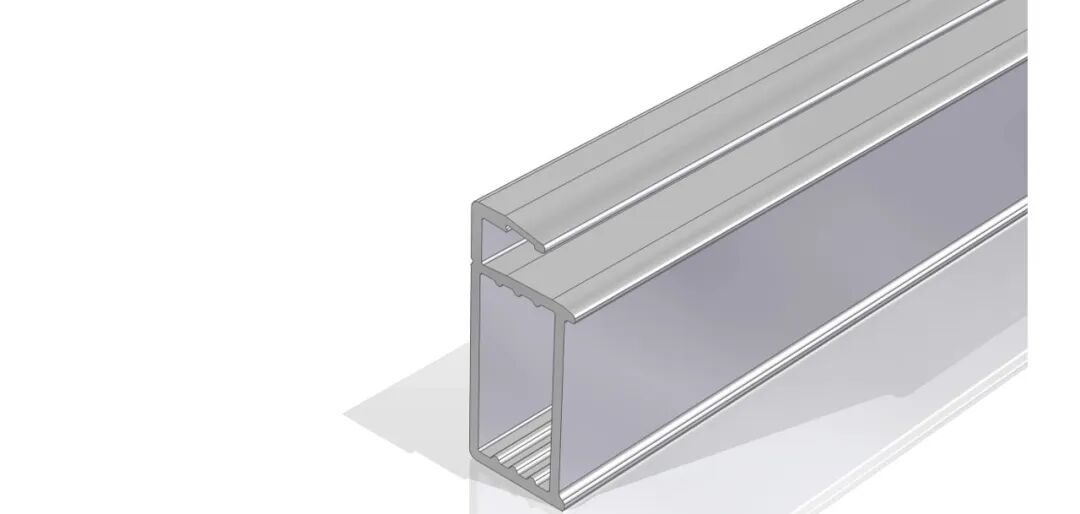
In a PV module, the aluminum frame works as the key sealing and structural material. Its cost share sits right behind the solar cells, usually between 8.5% and 13%, making it one of the core parts that keeps a module running reliably outdoors for 25 years or more.
There are several ways to treat the surface of an aluminum frame, including anodizing, electrophoretic painting, and powder coating (PVDF). But anodizing (especially silver-white and black) has become the absolute mainstream choice. This isn't by chance. It's because anodizing can systematically and comprehensively meet the strict performance demands a PV module places on its frame. The core reasons can be grouped into the following points.
Building a Superior Corrosion Barrier for Harsh Environments
PV modules have to serve for the long haul under all kinds of climates worldwide, from dry deserts and humid rainforests to highly corrosive coastal, offshore, and industrial zones. These different conditions put tough weathering requirements on the frame. The aluminum frame must withstand UV radiation, day-night temperature swings, acid-alkali-salt spray, and sand abrasion. Aluminum does form a natural oxide layer in air, but it's thin (about 0.1μm), uneven, and porous. In such environments that natural layer is about as protective as a sheet of paper.
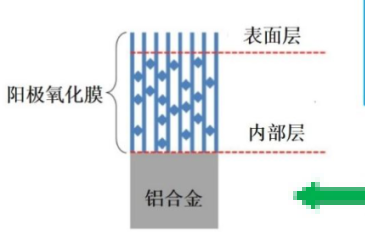
Anodizing uses an electrochemical method to grow a dense, hard, and strongly bonded aluminum oxide (Al₂O₃) ceramic film in-situ on the aluminum alloy surface. This artificially enhanced layer is the foundation of the frame's corrosion resistance.
The anodic film thickness standard for PV aluminum frames sits between 10 and 25μm. This range is set with several factors in mind: enough film thickness effectively isolates the aluminum substrate from the outside environment, blocking moisture, salt spray, and acid rain from corroding the frame, which extends the module's service life under harsh outdoor weather.
If the film is too thin (say, below 10μm), the frame's protection may fall short, leading to local breakdown of the oxide film and triggering pitting or cracks that affect overall structural strength. On the other hand, if the film is too thick (over 25μm), protection improves but production cost rises, and an overly thick layer is more brittle, making it more prone to cracking under impact during installation or transport, which actually lowers reliability.
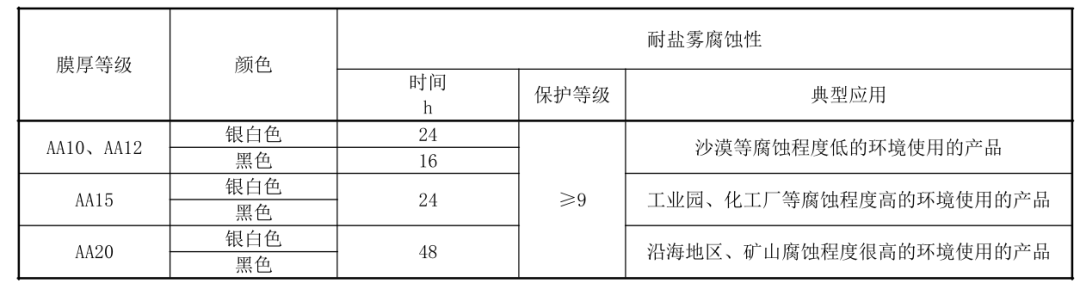
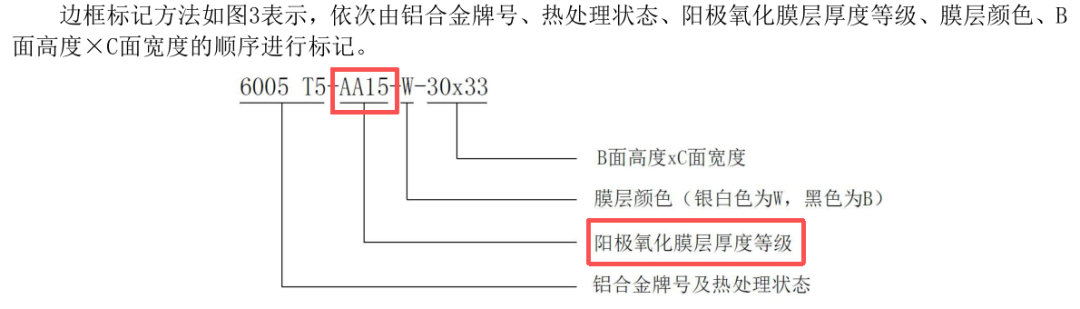
Under the standard T/CPIA 0117-2025, anodic films are graded by thickness (such as AA10, AA15, AA20) to match different corrosion environments. For example, the AA15 grade is recommended for more corrosive settings like industrial parks and chemical plants, while AA20 is reserved for very high corrosion environments such as coastal areas and mines.
Delivering the Right Conductivity and Grounding Safety While Keeping Insulation
This is a seemingly contradictory but crucial property. Aluminum is a good conductor, which lets the frame easily serve as part of the module's grounding path, channeling lightning current or static to deliver lightning protection and grounding continuity for system safety.
Yet the anodic film itself is an excellent electrical insulator. This insulating layer first protects the frame body, preventing it from becoming the anode of electrolytic corrosion in damp conditions. Second, it isolates the frame from mounting brackets and other metal parts (especially metals at different potentials, like steel bolts), greatly easing the galvanic corrosion that dissimilar-metal contact can cause. Failure cases in offshore PV show that aluminum alloy frames and steel bolts suffer serious electrochemical corrosion in salt-spray environments, and a thicker anodic film (combined with insulation-coated bolts) is one of the key processes that solves this problem.
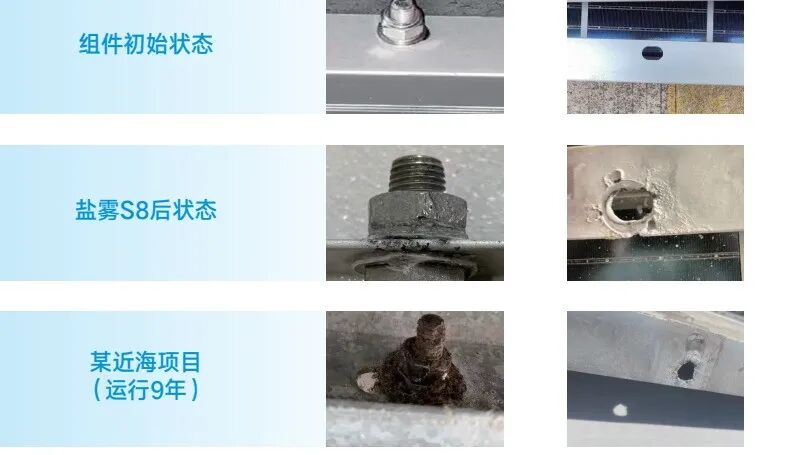
PS: Grounding a PV module really matters. As the person who handled a customer complaint where a lightning strike blew out a junction-box diode, when I got to the site I found the installer had taken no grounding measures at all on the module (no use of frame grounding holes, piercing washers, or piercing screws).
Enhancing Mechanical Performance and Wear Resistance to Protect Structural Integrity
The frame needs to bear loads such as wind pressure, snow load, and mechanical impact that the module meets during transport, installation, and operation.
High hardness and wear resistance: The anodic film has very high hardness (typically above HV300), far higher than the aluminum substrate. This boosts the frame surface's scratch and wear resistance, better protecting itself during installation and maintenance and reducing corrosion start points and loss of appearance caused by surface damage.
Strong adhesion: The anodic film grows directly out of the aluminum base through a chemical reaction and bonds as one with the substrate, with none of the peeling or flaking risk seen in sprayed coatings. This very strong adhesion ensures lasting protection, and even after long-term thermal expansion and contraction the film won't fall off.
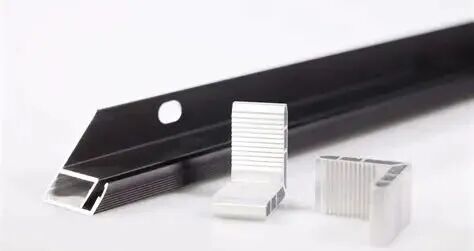
Supporting long-life design: Aluminum alloy material itself can last 30 to 50 years. Anodizing further safeguards structural integrity and strength stability across the whole PV module life cycle (usually 25 years or more). By comparison, frames made of other materials, such as steel frames, easily rust at grounding holes and other spots, making a 25-year life hard to guarantee, while the long-term reliability of composite-material frames is still being verified.
A Mature Process and Complete Standard System That Ensure Quality and Supply
Anodizing is an extremely mature and standard surface treatment in the aluminum processing industry, with a complete supply chain, high processing efficiency, and relatively controllable cost. Multiple brokerage reports note that the aluminum frame manufacturing process (melting and casting - extrusion - oxidation - deep processing) is very mature, which is the basis for its over-95% penetration in the PV field.
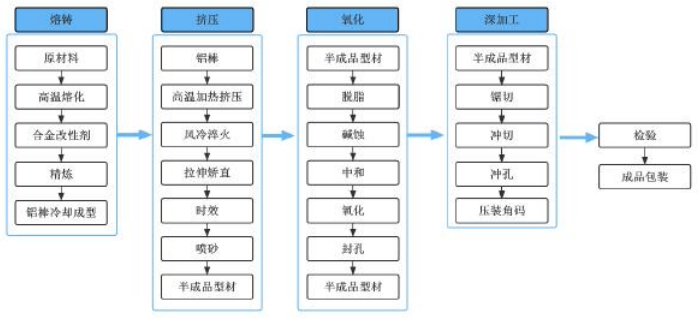
Aluminum frames offer mature standardization and controllable quality. From national standards (such as GB/T 5237.2) to PV association group standards (T/CPIA 0117), there are clear and testable indicators for the anodic film's thickness, hardness, sealing quality, and salt-spray resistance. This gives quality control a solid basis and ensures product consistency and reliability.
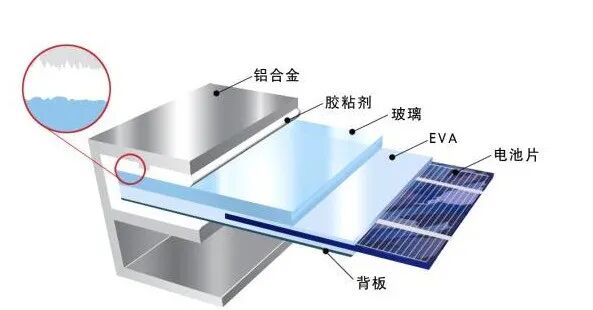
In the framing step, the frame needs to be bonded and sealed to the glass and backsheet with sealant. The anodized surface has a certain micro-porous structure that forms good adhesion with the sealant, ensuring reliable module sealing.
In the end, choosing anodizing for the PV aluminum frame is an "optimal solution" verified through long-term industry practice.
Ooitech's View
Ooitech believes: anodizing has become the mainstream surface treatment for PV aluminum frames because it simultaneously satisfies corrosion resistance, grounding safety, mechanical strength, and standardized quality control over a module's 25-year-plus service life.