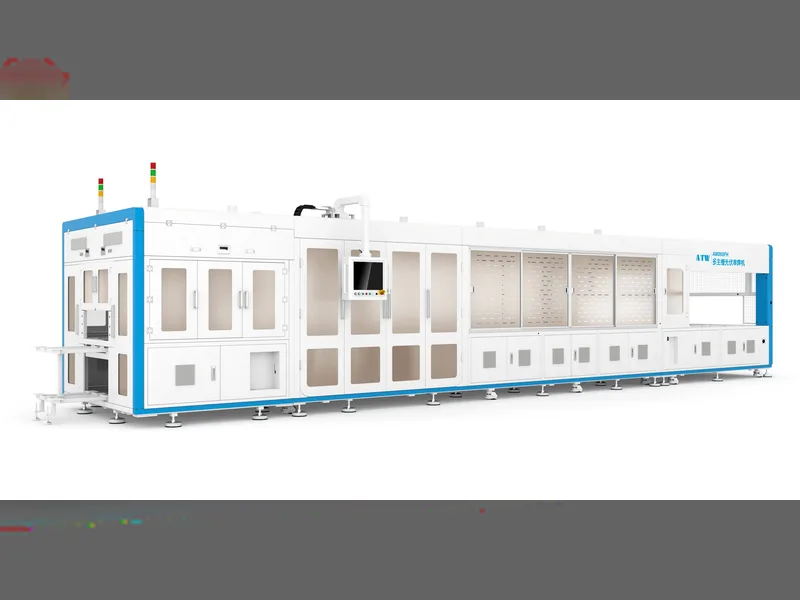
Solar Cell Scribing Machine: The Precision Surgical Knife Behind High-Efficiency PV Modules
Table of Contents
Introduction
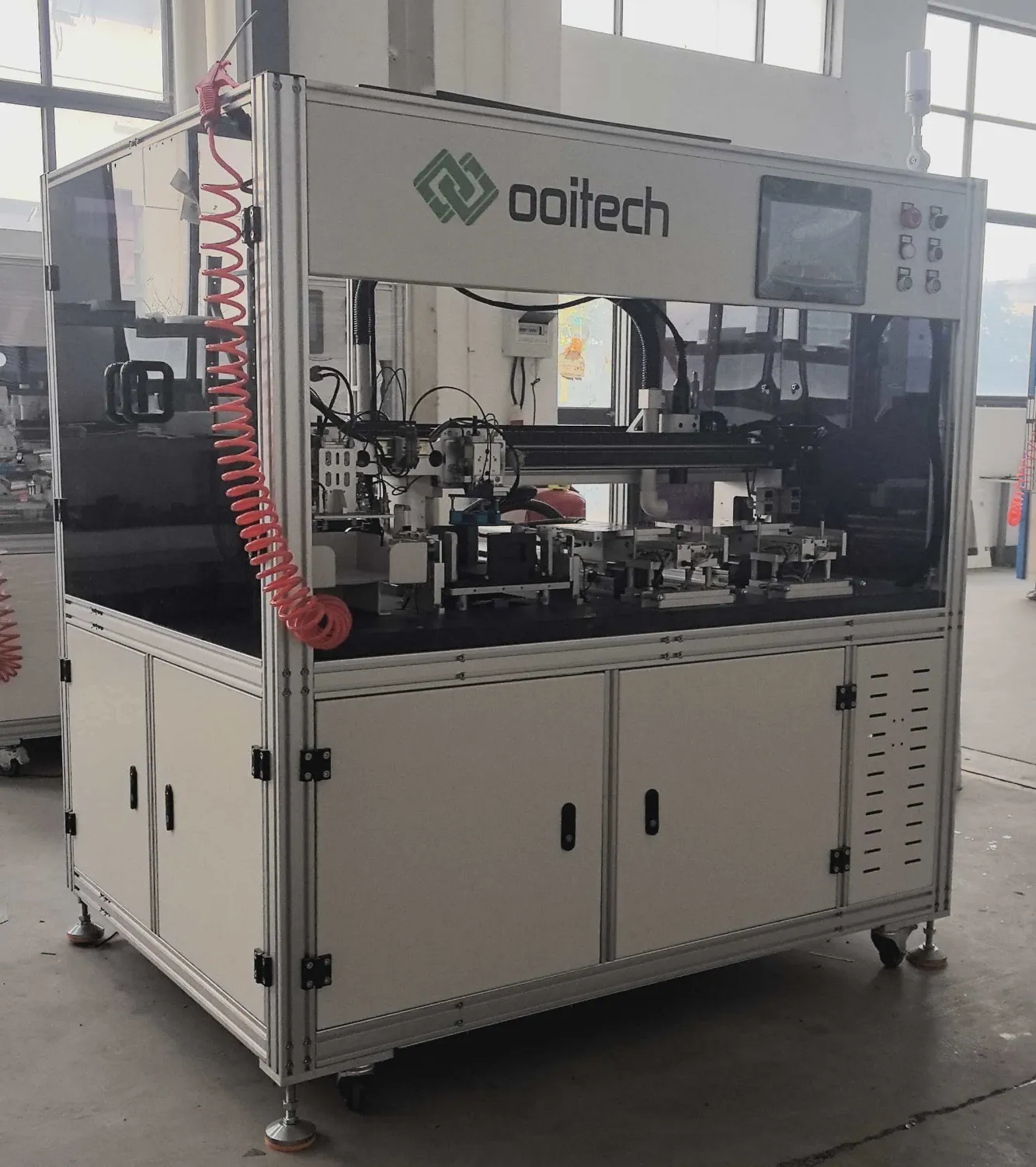
In solar module manufacturing, the solar cell scribing machine plays a vital role. It is not only a core piece of equipment for boosting module efficiency, but also a key tool for lowering production costs and optimizing the manufacturing workflow.
How the Laser Scribing Machine Works: Precision Meets Efficiency
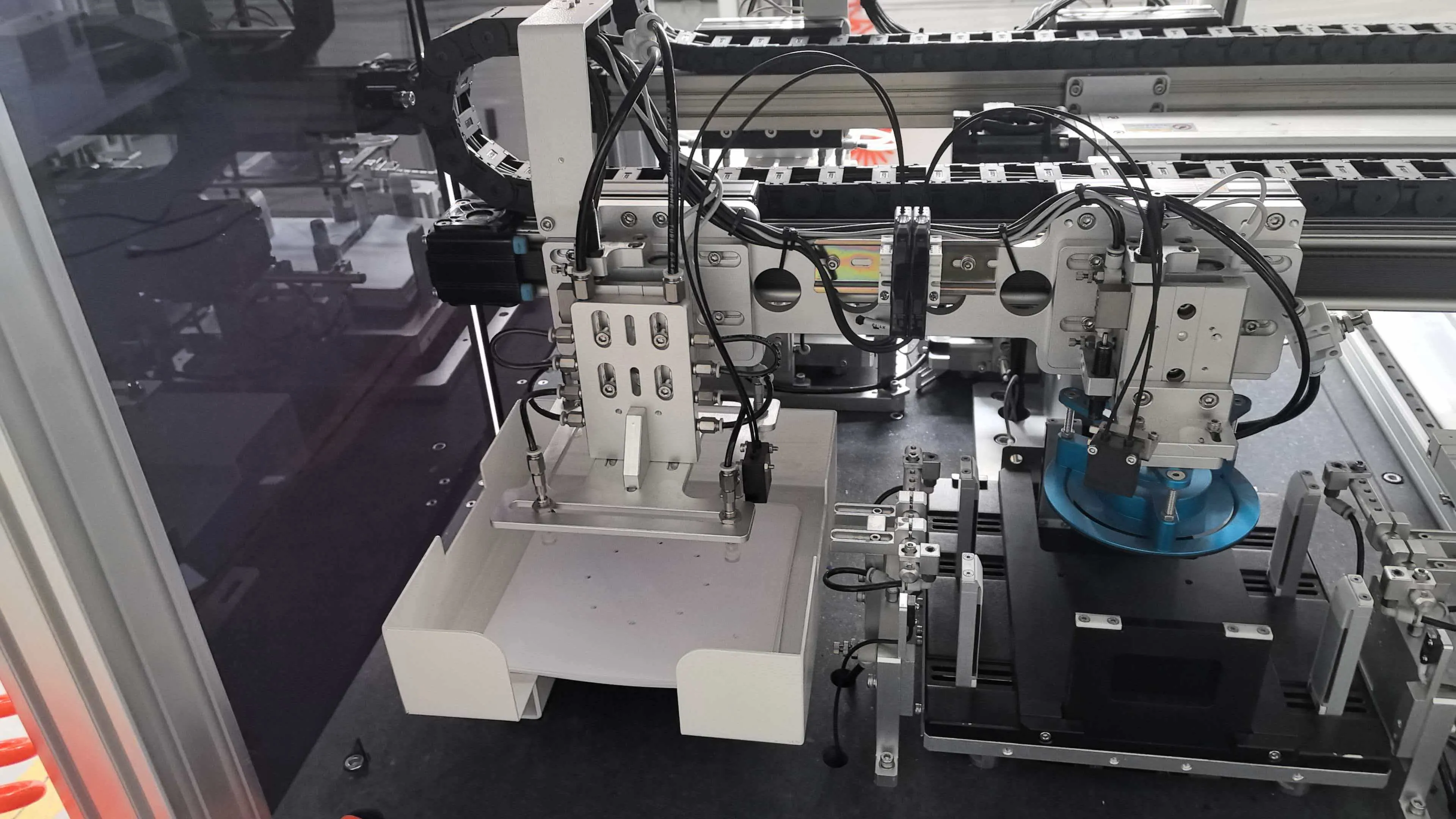
The core technology of the scribing machine lies in laser processing. A laser source emits a high-energy beam (typically nanosecond or picosecond pulsed laser), which is focused through an optical system into a spot only a few tens of microns in diameter. When the laser hits the cell surface, the irradiated area reaches its melting or vaporization point within an extremely short time (microsecond level), achieving precise cutting.
Key data supporting this:
Cutting precision: Laser scribing achieves cutting precision of ±10 microns, far better than the ±50 microns of traditional mechanical cutting, ensuring smooth cell edges and stable electrical performance.
Heat-affected zone (HAZ): The HAZ width of laser processing is usually less than 20 microns, significantly reducing thermal damage to the cell and protecting conversion efficiency.
Non-contact processing: Laser scribing requires no physical contact with the cell, avoiding mechanical stress, with a cutting yield as high as 99.5% or more.
Why Do We Need to Scribe Solar Cells?
1. Improving Photoelectric Conversion Efficiency
Reducing encapsulation losses: According to the ITRPV report, after adopting half-cut technology (cutting cells into two halves), module power loss drops by about 2% to 3%, while output power increases 5% to 10%. Taking a typical 72-cell module as an example, the power gain from half-cut technology can exceed 10W.
Optimizing module design: With half-cut cells, the current is halved, resistance drops to 1/4, and power loss is reduced fourfold. In addition, the hot-spot effect in half-cut modules is significantly lower, extending module lifespan by 10% to 15%.
2. Lowering Manufacturing Costs
Reducing material waste: Through laser scribing technology, cell material utilization improves to over 98%, while traditional mechanical cutting only reaches around 95%.
Lowering O&M costs: Scribed modules run at higher efficiency, reducing operation and maintenance costs by about 5% to 10% over the long term.
3. Optimizing the Production Workflow
Simplifying the soldering process: Scribed cells are smaller in size, reducing soldering defect rates to below 0.1% and significantly improving module production yield.
Boosting production efficiency: The laser scribing machine can cut at speeds up to 1200mm/s, with a single unit producing over 5000 cells per day, greatly improving overall line efficiency.
4. Meeting Diverse Market Demands
Adapting to different applications: Scribed cells can be flexibly arranged to meet demands ranging from residential distributed systems to large-scale ground stations. For example, multi-cut technology (such as 1/3 cut, 1/4 cut) can further improve module efficiency, suitable for high-efficiency PERC, TOPCon, and heterojunction (HJT) cells.
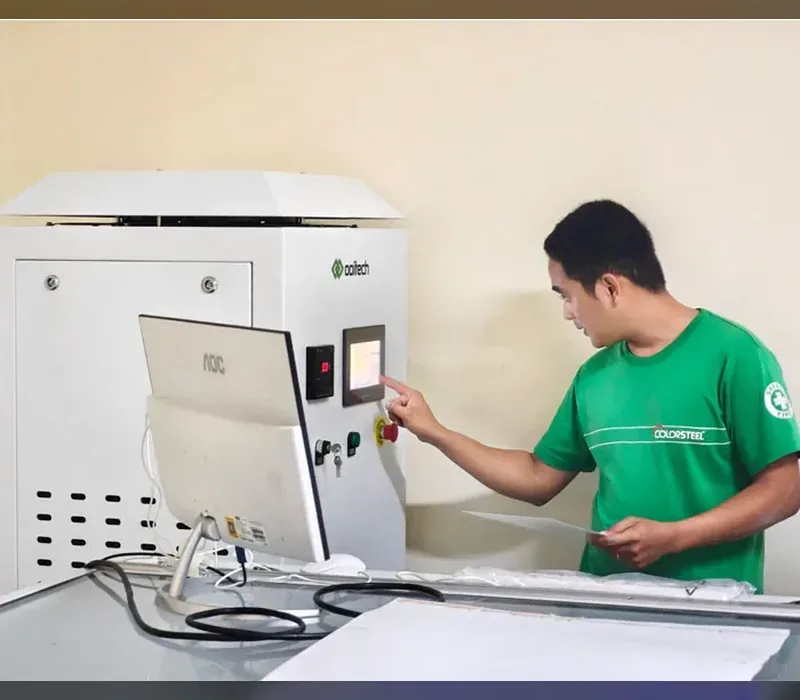
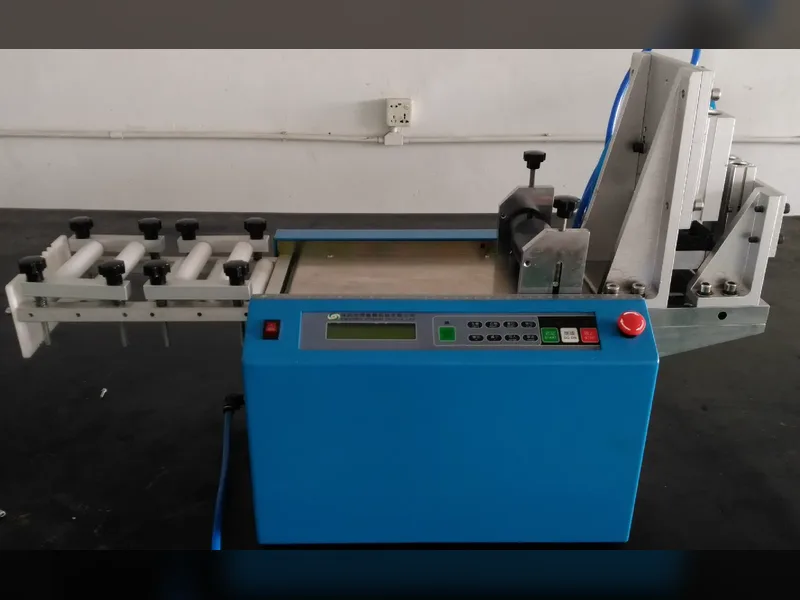
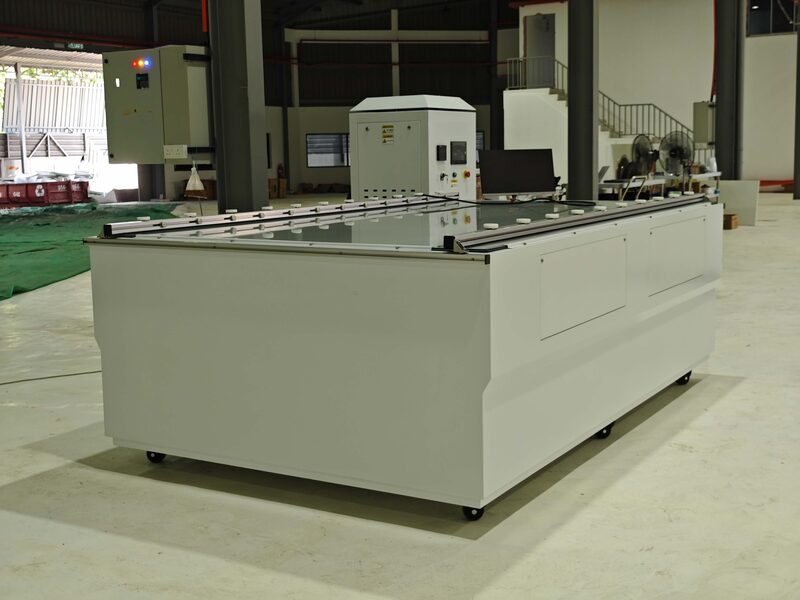
The scribing machine typically consists of a loading area, scribing area, and unloading area. Some high-end equipment also adds a drying zone or integrated soldering function. Taking a self-developed high-speed water-assisted non-destructive scribing machine such as the CTC-80S as an example, its innovative technologies include:
Laser grooving: Grooving lines no longer than 2mm are scribed at both ends of the cell, reaching 40% depth, ensuring precise cutting start points.
Heating + water spray: A 300W laser heats the grooving line, followed by water cooling. Using the principle of thermal expansion and contraction, the cell splits along the grooving line.
Non-destructive cutting: The entire process is free of mechanical stress, producing smooth cut edges without affecting cell performance, with a cutting yield as high as 99.8%.
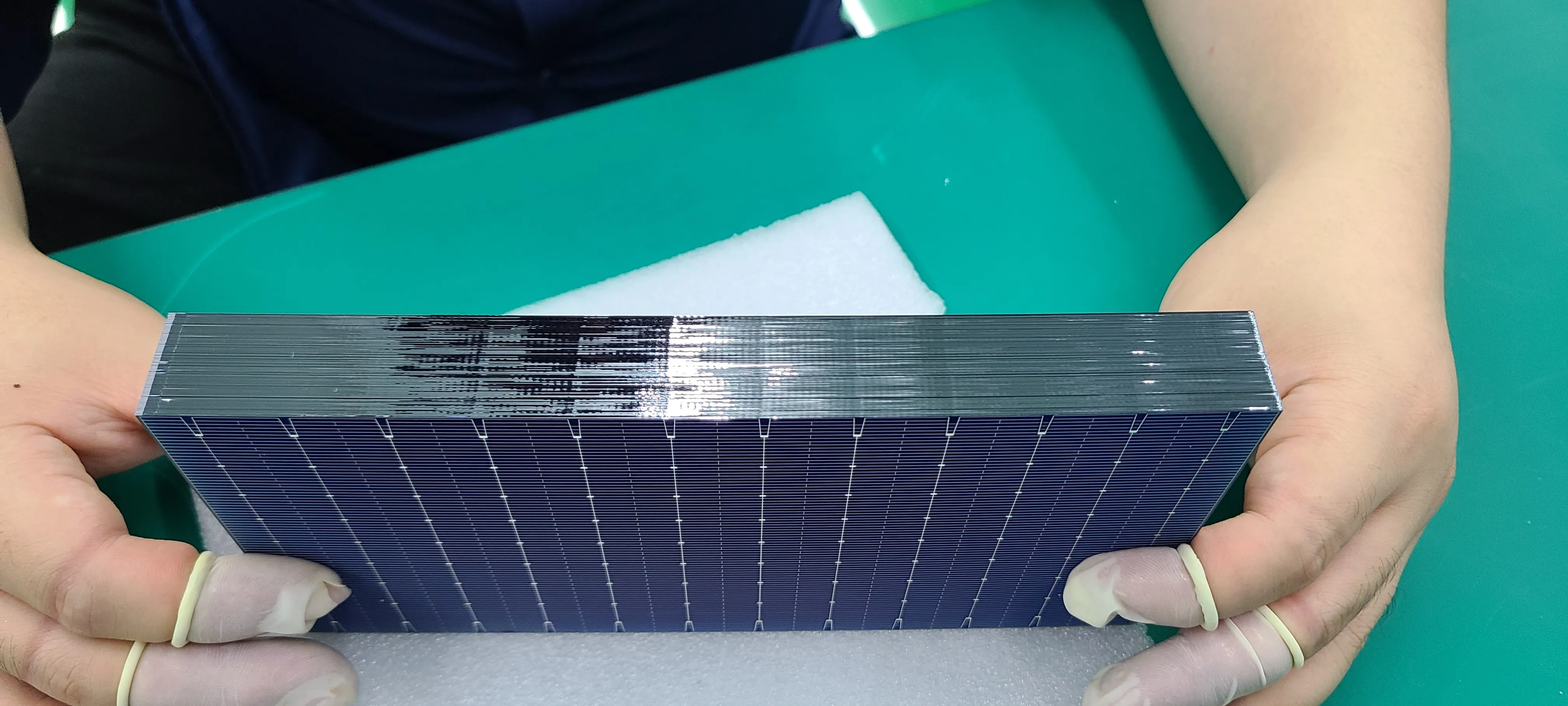
The solar cell scribing machine is not just the precision surgical knife of PV module production—it is a key force driving the industry toward higher efficiency and lower cost. From boosting module efficiency to lowering manufacturing costs, from optimizing the production workflow to meeting diverse demands, the role of the scribing machine is irreplaceable.
Ooitech's Perspective
Ooitech believes: laser scribing technology turns precision and non-contact cutting into the decisive lever for high-efficiency, low-cost solar module manufacturing.